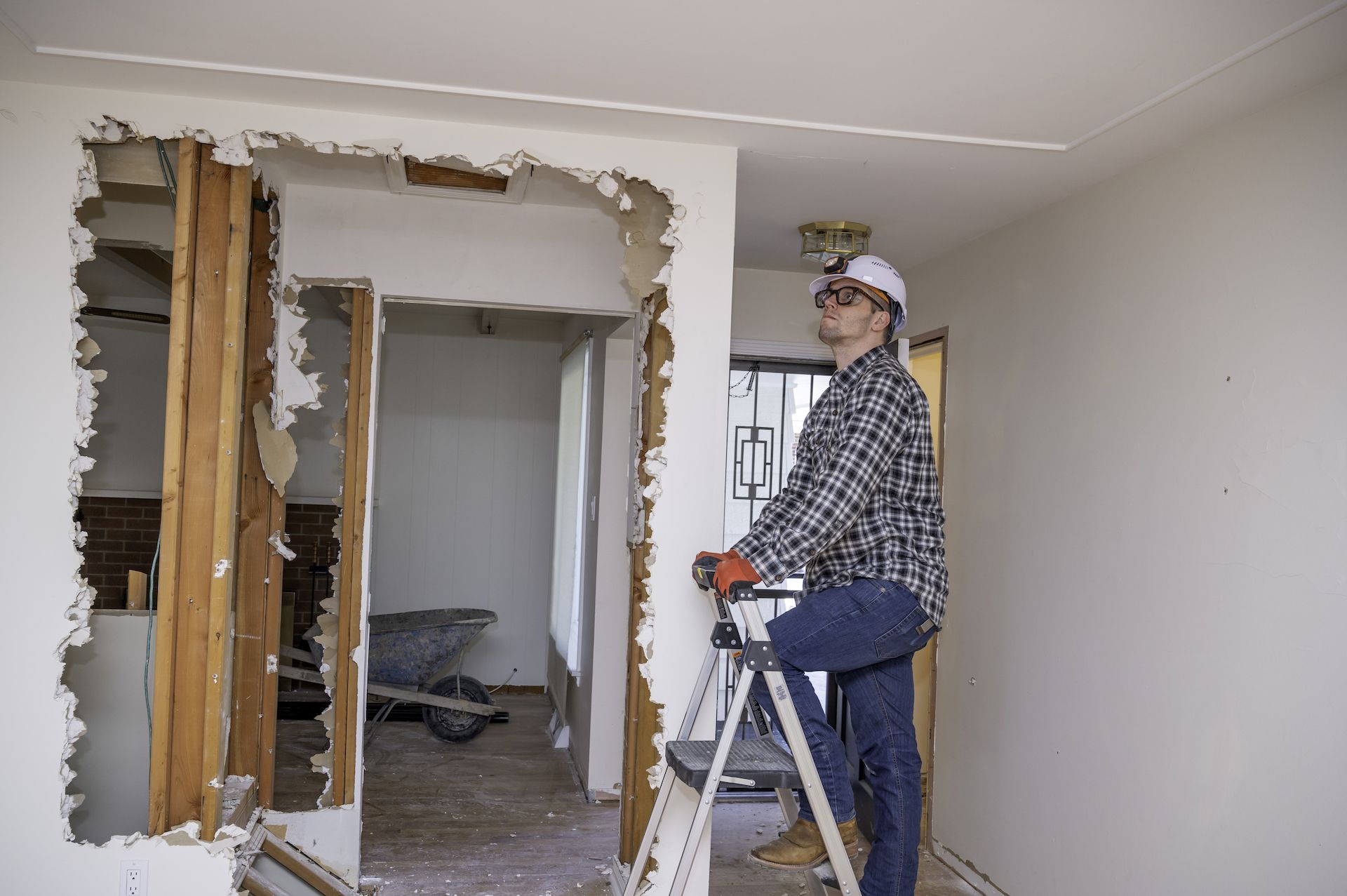
Demolishing an old or vacant structure may seem like a straightforward process, but it involves far more than tearing down walls and clearing debris. Without proper planning and risk assessment, demolition projects can lead to costly delays, legal issues, and serious safety hazards. Whether you’re a property owner, developer, or contractor, understanding the key risks involved is essential for a successful and compliant project.
At West Georgia Demolition Contractors, we prioritize safety, efficiency, and regulatory compliance in every demolition job. Here’s a detailed look at the most important risks to consider before beginning demolition.
1. Structural Instability
Older and abandoned buildings often suffer from years of neglect, weather damage, or compromised materials. This can make structures highly unstable and unpredictable during demolition.
Risks include:
- Sudden collapses
- Falling debris
- Unsafe working conditions for crews
Solution:
A thorough structural assessment should always be conducted before demolition begins. Professional contractors use inspections and engineering evaluations to determine the safest demolition method.
2. Hazardous Materials
Many older structures contain dangerous substances that require specialized handling and disposal.
Common hazardous materials include:
- Asbestos
- Lead-based paint
- Mold
- Chemical residues
Exposure to these materials can pose serious health risks and result in legal penalties if not handled correctly.
Solution:
Hire licensed professionals to perform environmental testing and abatement before demolition. Proper containment and disposal procedures must follow local and federal regulations.
3. Legal and Regulatory Compliance
Demolition projects are subject to strict local, state, and federal regulations. Failing to comply can result in fines, delays, or project shutdowns.
Key compliance factors:
- Permits and approvals
- Environmental regulations
- Zoning laws
- Noise and dust control requirements
Solution:
Work with experienced demolition contractors who understand regional regulations and can handle permitting and documentation efficiently.
4. Utility Hazards
Vacant structures may still have active or improperly disconnected utilities, including electricity, gas, and water lines.
Potential dangers:
- Gas leaks or explosions
- Electrical shocks
- Flooding or water damage
Solution:
All utilities should be identified, shut off, and safely disconnected before demolition begins. Coordination with local utility providers is essential.
5. Environmental Impact
Demolition can generate significant dust, debris, and waste, which may affect surrounding properties and ecosystems.
Environmental concerns include:
- Airborne dust and pollutants
- Soil contamination
- Improper waste disposal
Solution:
Implement dust control measures, proper waste management, and recycling practices. Sustainable demolition helps minimize environmental impact and may reduce costs.
6. Safety Risks to Workers and the Public
Demolition sites can be hazardous not only for workers but also for nearby residents and pedestrians.
Common safety risks:
- Falling debris outside the work zone
- Equipment accidents
- Unauthorized site access
Solution:
Establish clear safety protocols, secure the site with fencing and signage, and ensure all workers are trained and equipped with proper protective gear.
7. Hidden Structural or Site Surprises
Old buildings often conceal unexpected issues that can complicate demolition.
Examples include:
- Underground storage tanks
- Hidden structural reinforcements
- Pest infestations
- Unmapped utility lines
Solution:
Pre-demolition site surveys and inspections can help identify potential surprises early, allowing for better planning and budgeting.
8. Cost Overruns and Project Delays
Unforeseen risks can quickly increase project costs and timelines if not properly managed.
Causes of overruns:
- Additional hazardous material removal
- Permit delays
- Equipment or labor challenges
Solution:
Detailed project planning, contingency budgeting, and hiring experienced contractors can help keep projects on track.
Why Choose West Georgia Demolition Contractors?
At West Georgia Demolition Contractors, we understand that every demolition project comes with unique challenges. Our team combines industry expertise, advanced equipment, and strict safety standards to ensure your project is completed efficiently and responsibly.
We handle everything from initial assessments and permitting to safe demolition and site cleanup—so you can move forward with confidence.
Final Thoughts
Demolishing an old or vacant structure is a complex process that requires careful planning and professional execution. By understanding and addressing these key risks, you can avoid costly mistakes and ensure a safe, compliant, and successful project.
If you’re planning a demolition project, trust the experts at West Georgia Demolition Contractors to guide you every step of the way.
We serve Acworth, Atlanta, Austell, Bowdon, Bremen, Buchanan, Carrollton, Chattahoochee Hills, College Park, Dallas, Douglasville, East Cobb, East Point, Fayetteville, Hiram, Kennesaw, Lithia Springs, Marietta, Mableton, Mt. Zion, Newnan, Palmetto, Powder Springs, Rockmart, Smyrna, South Fulton, Tallapoosa, Temple, Union City, Villa Rica, Vinings, and Whitesburg Ga
interior demolition contractors, demolition company atlanta, demolition companies near me, demo contractor, demolition near me, demo contractors, demolition contractor near me, demolition company near me, demolition contractors near me, demolition contractors atlanta ga
West Georgia Demolition Contractors
Douglasville, GA 30135
678-616-8346
Comments
Post a Comment